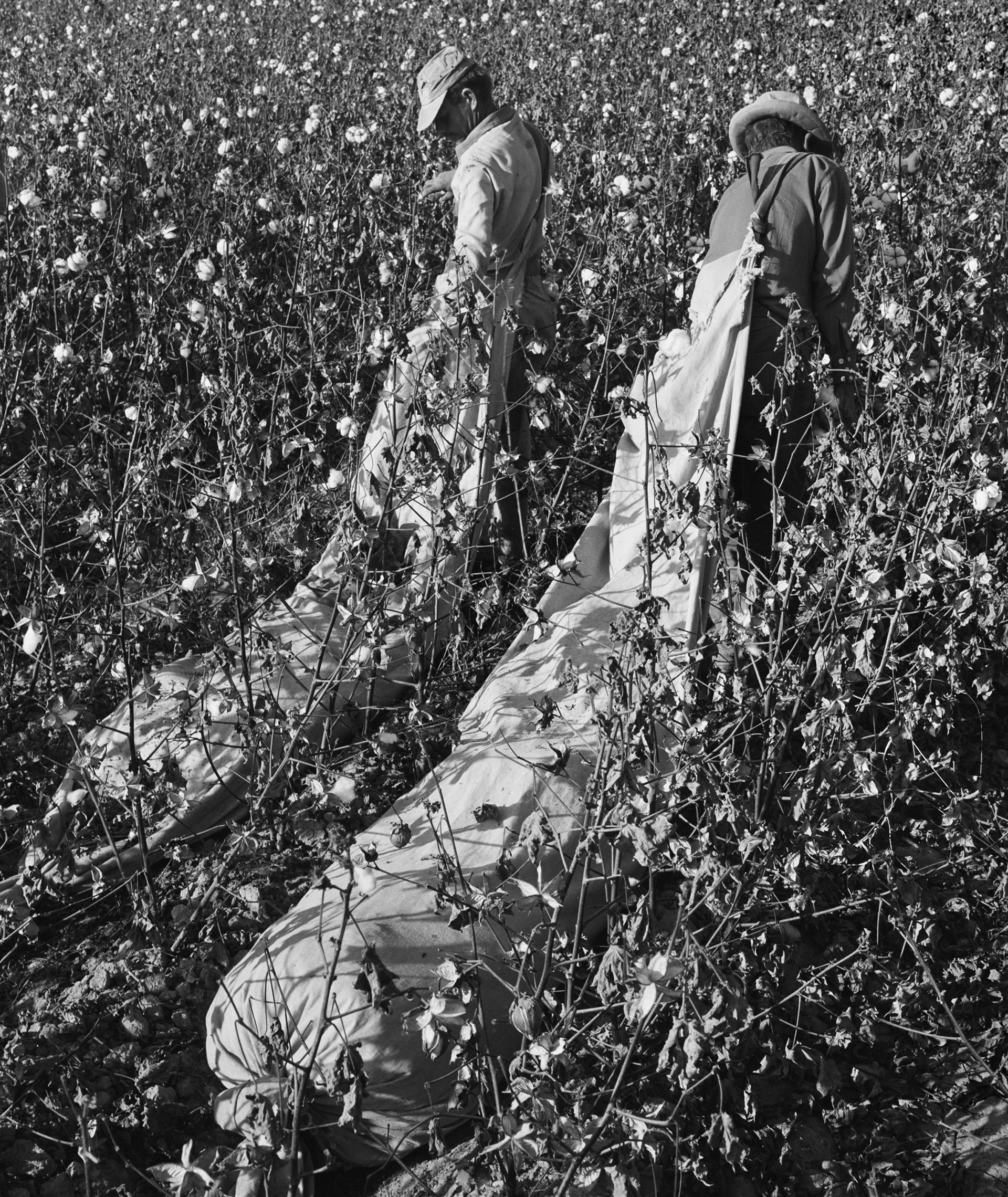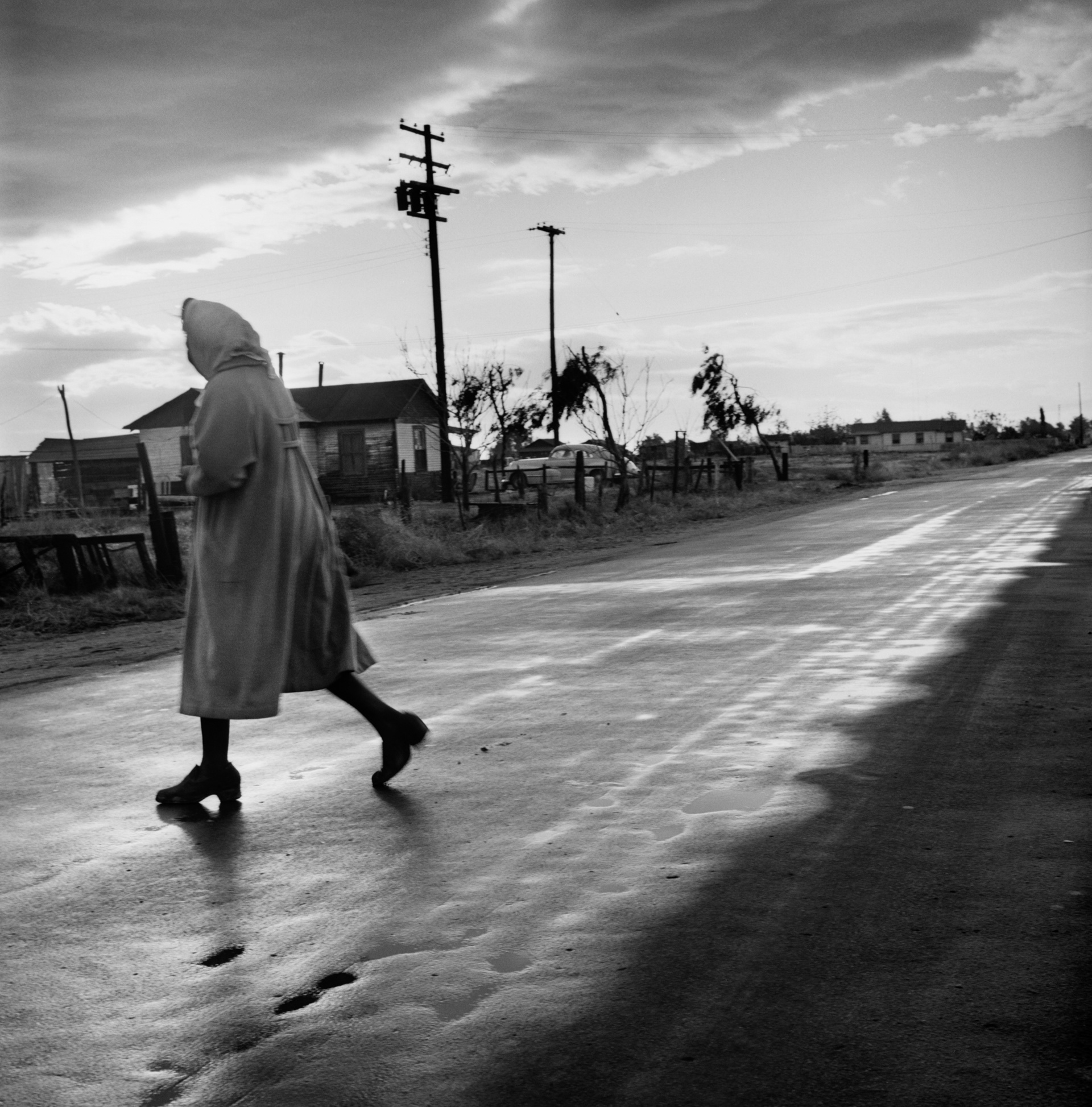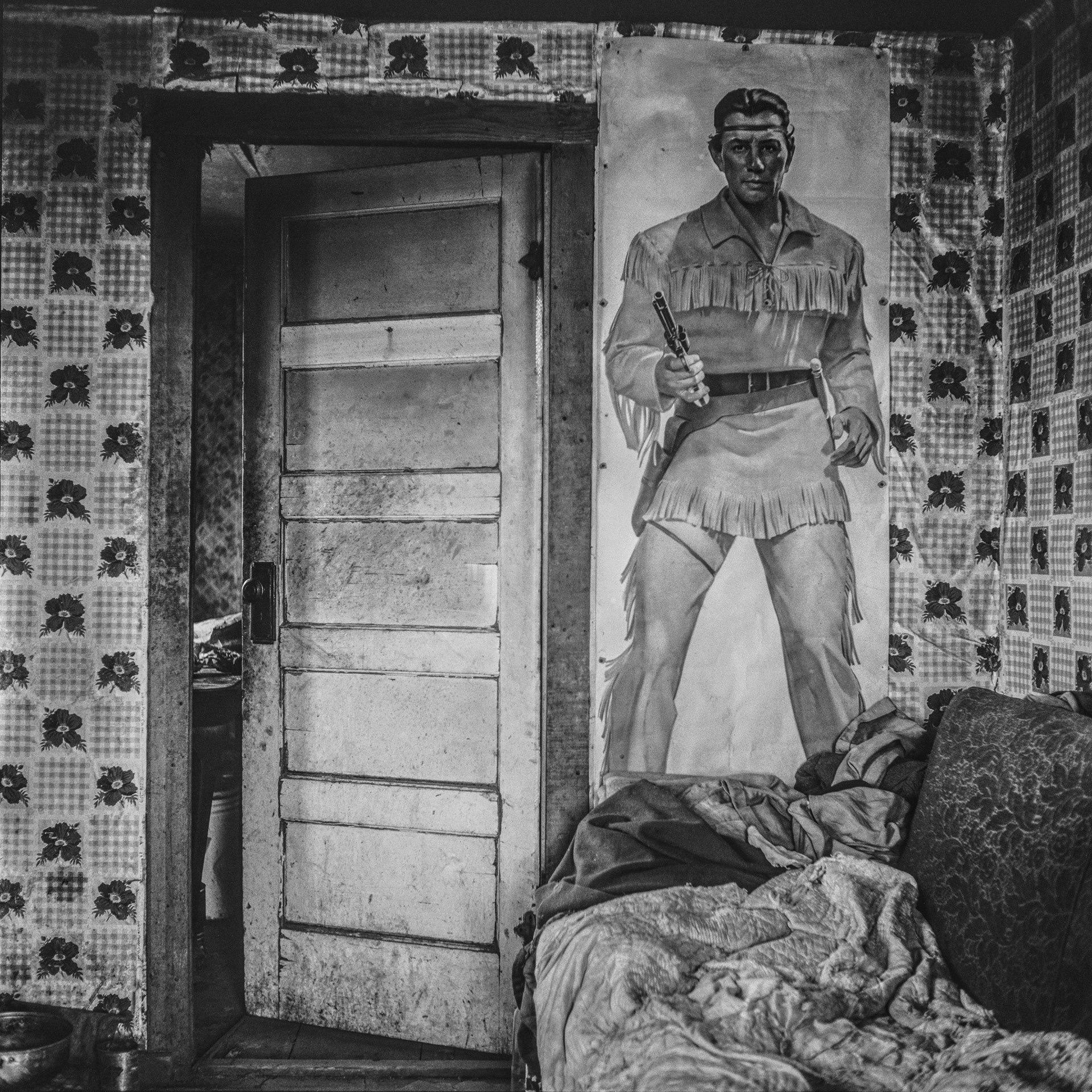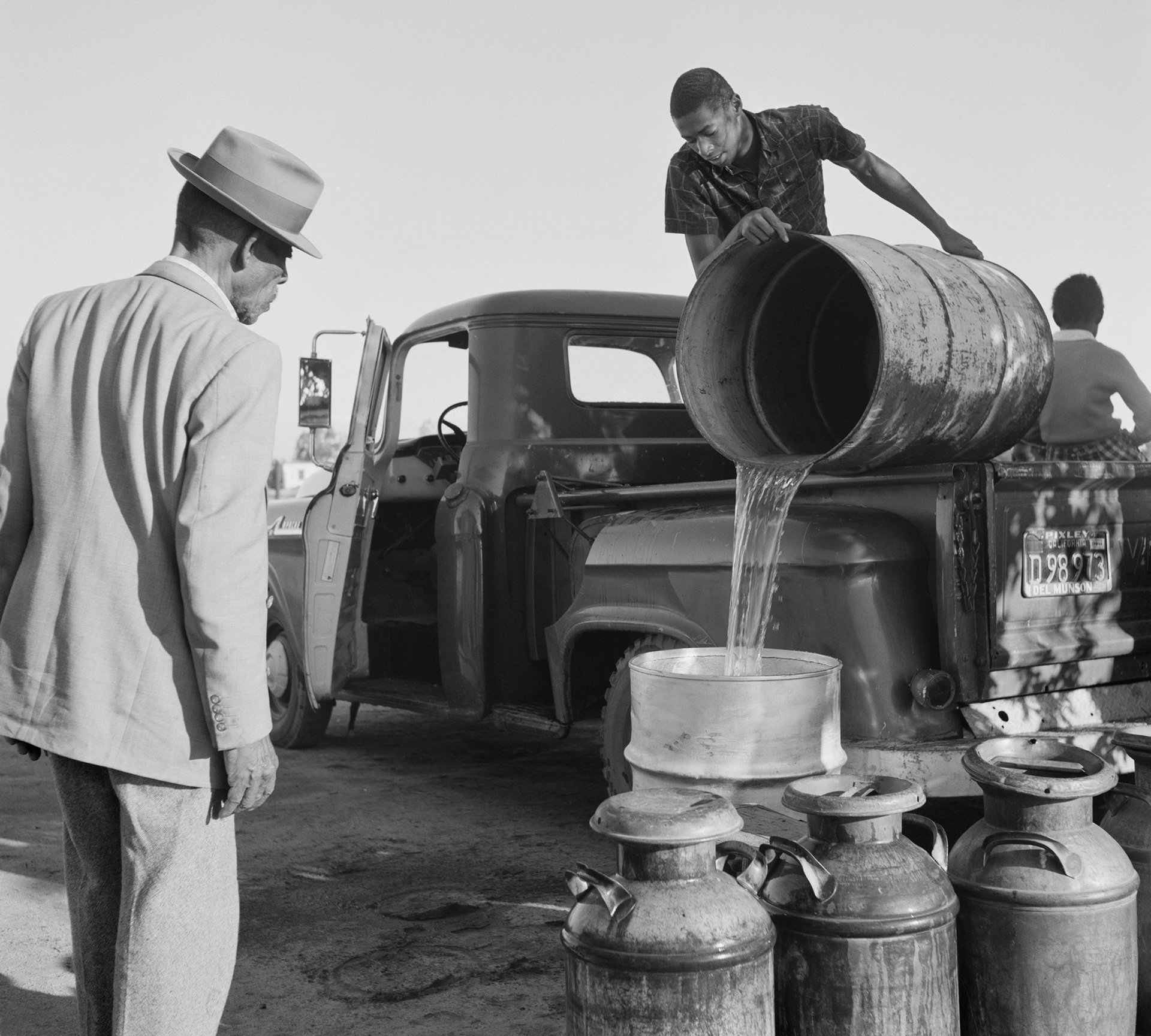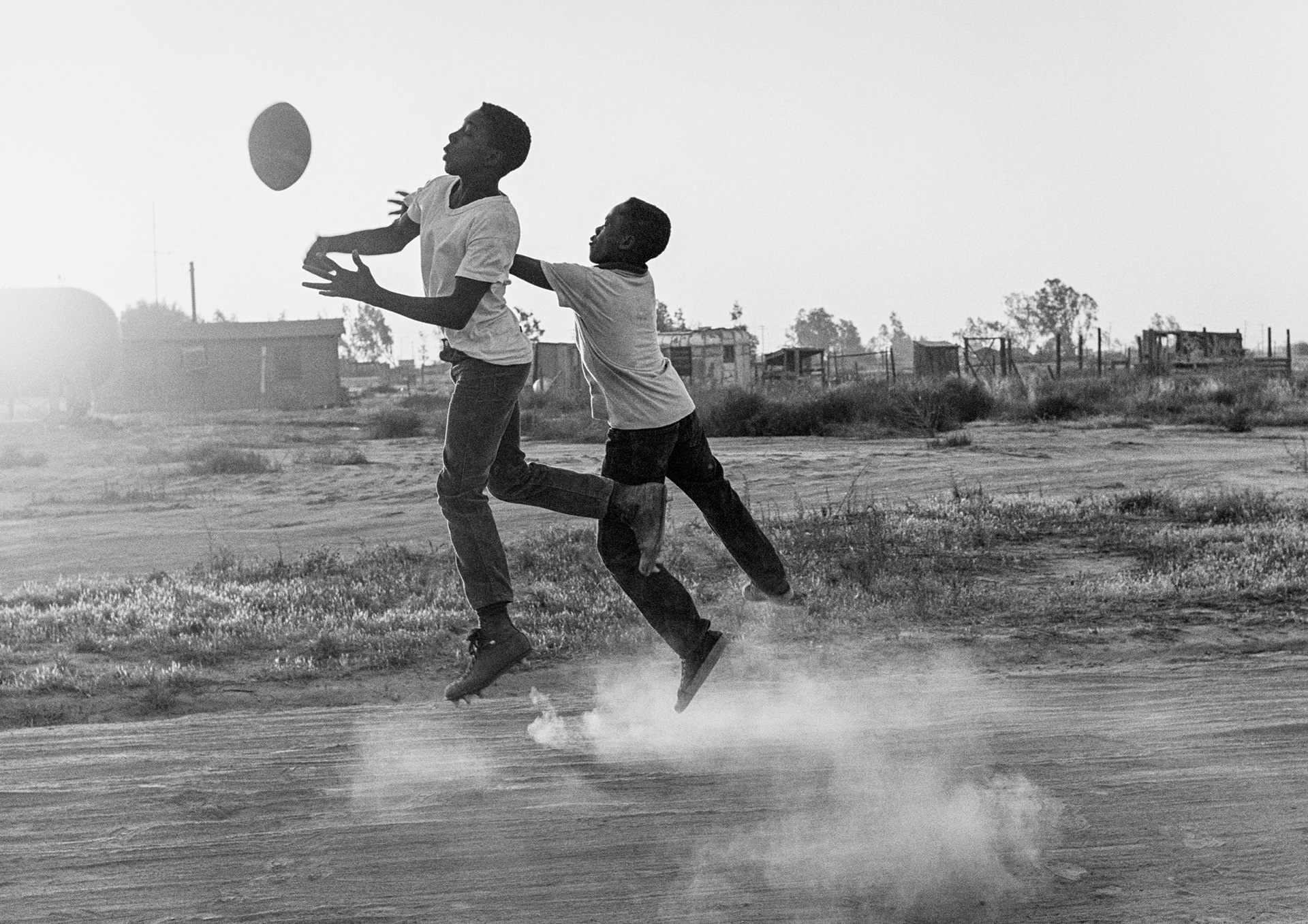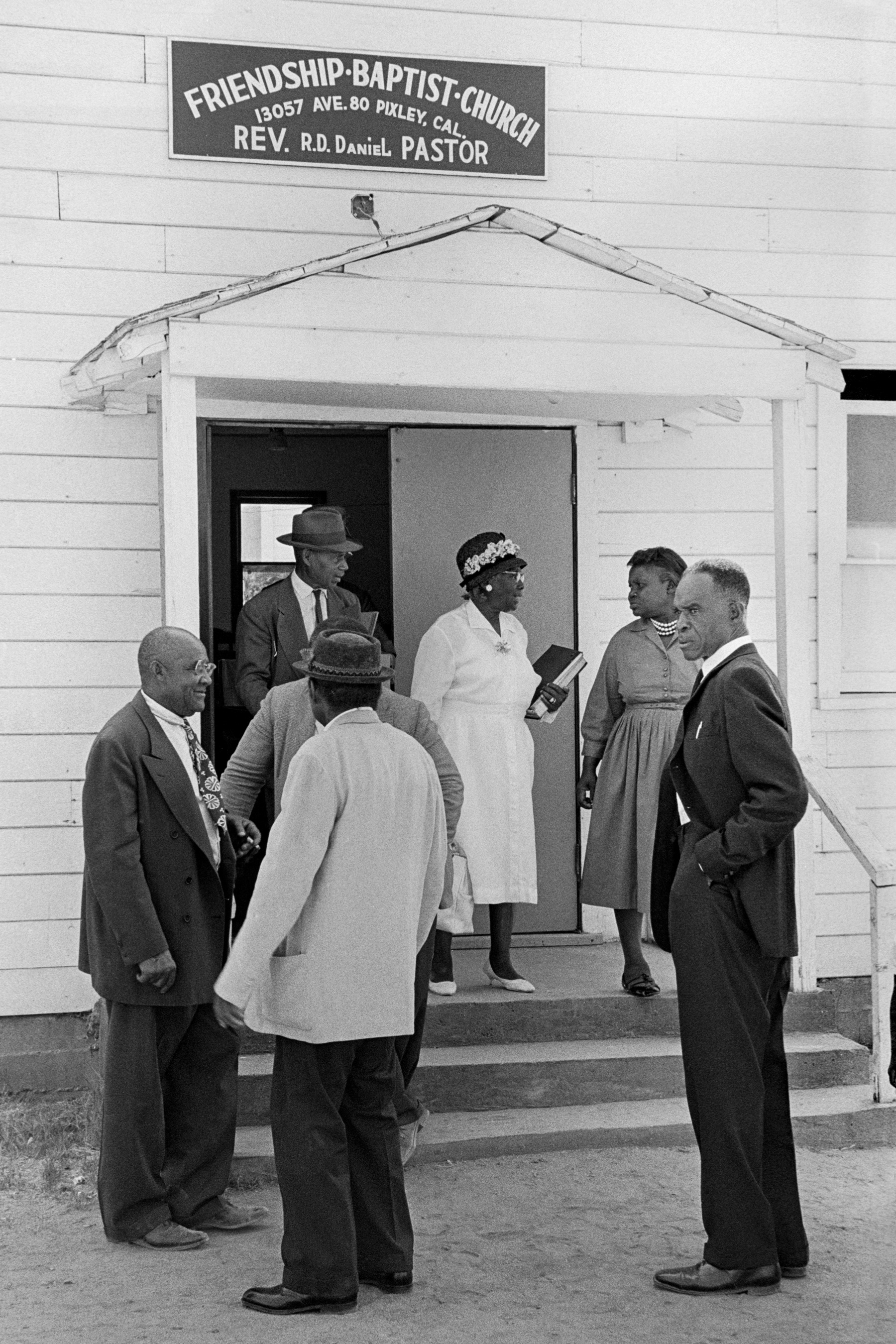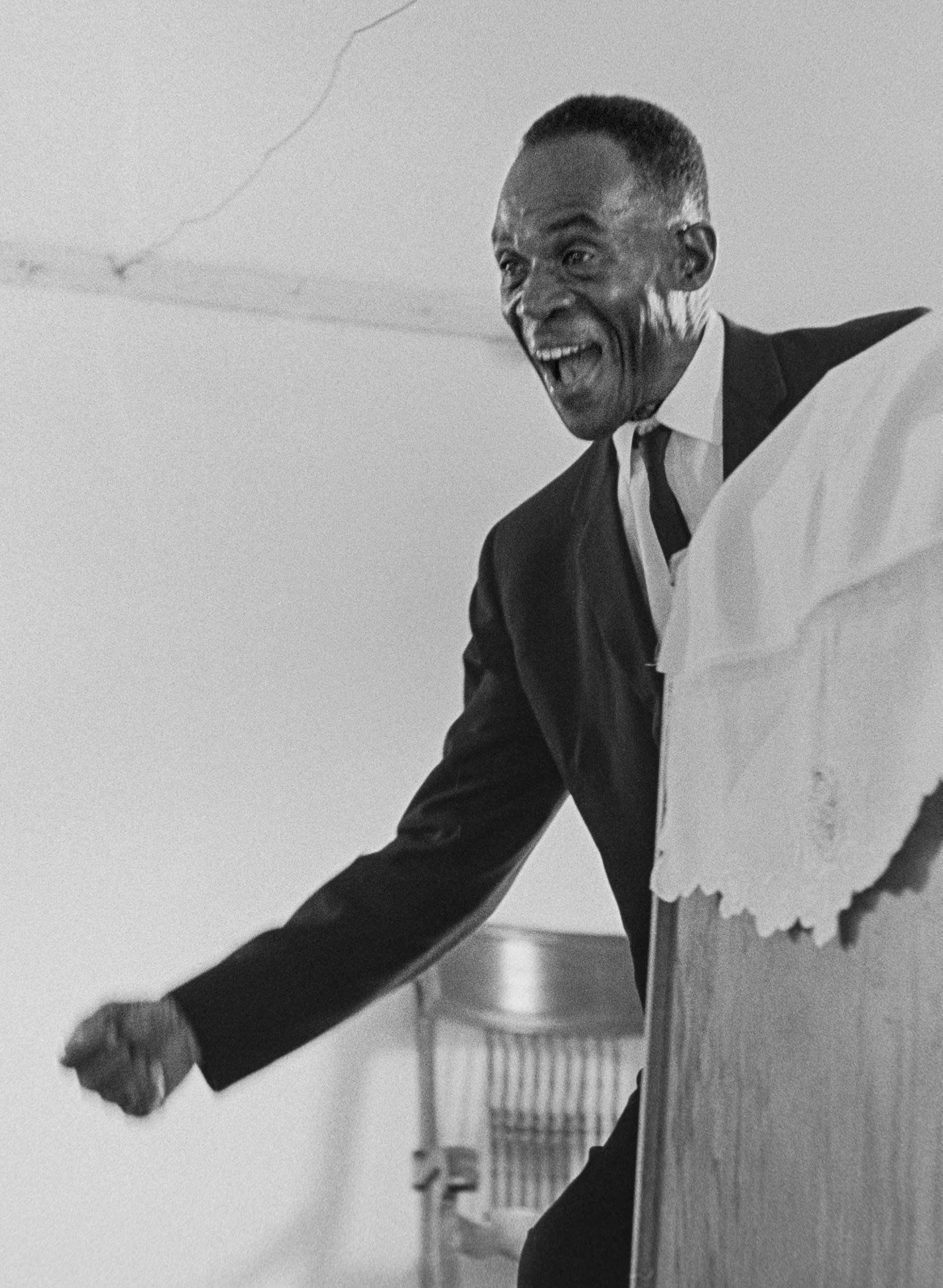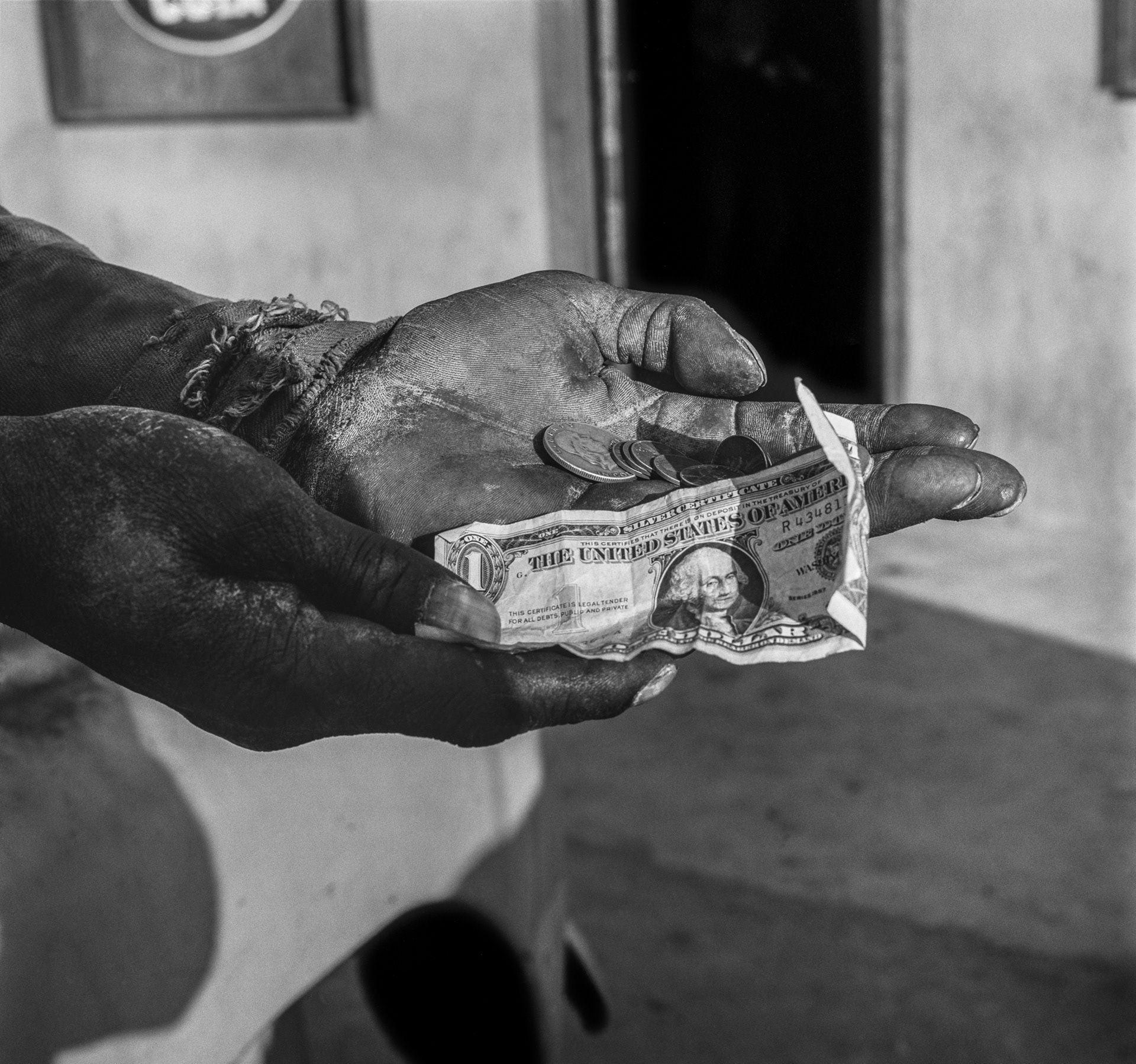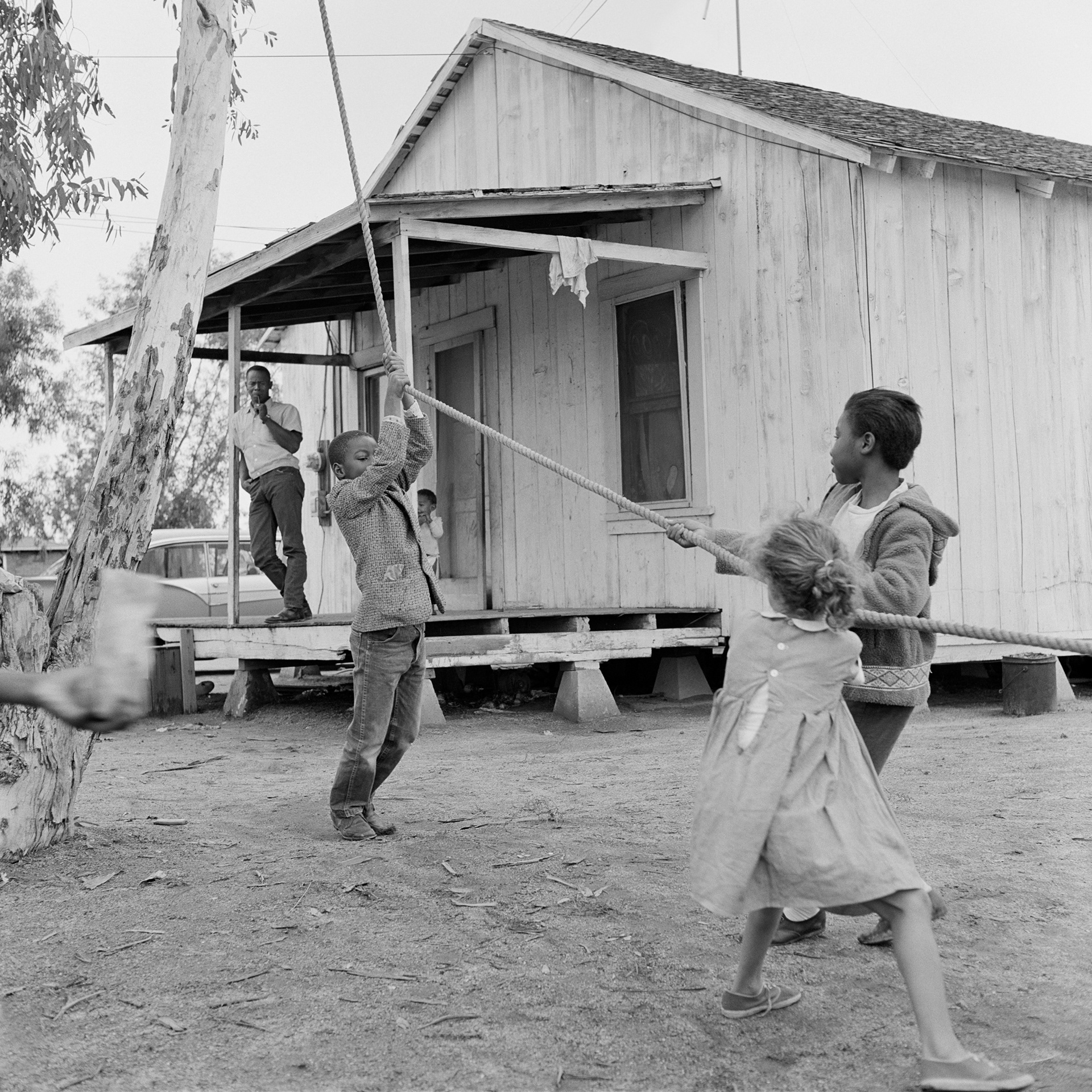
Photographs by Ernest Lowe, 1961-1964
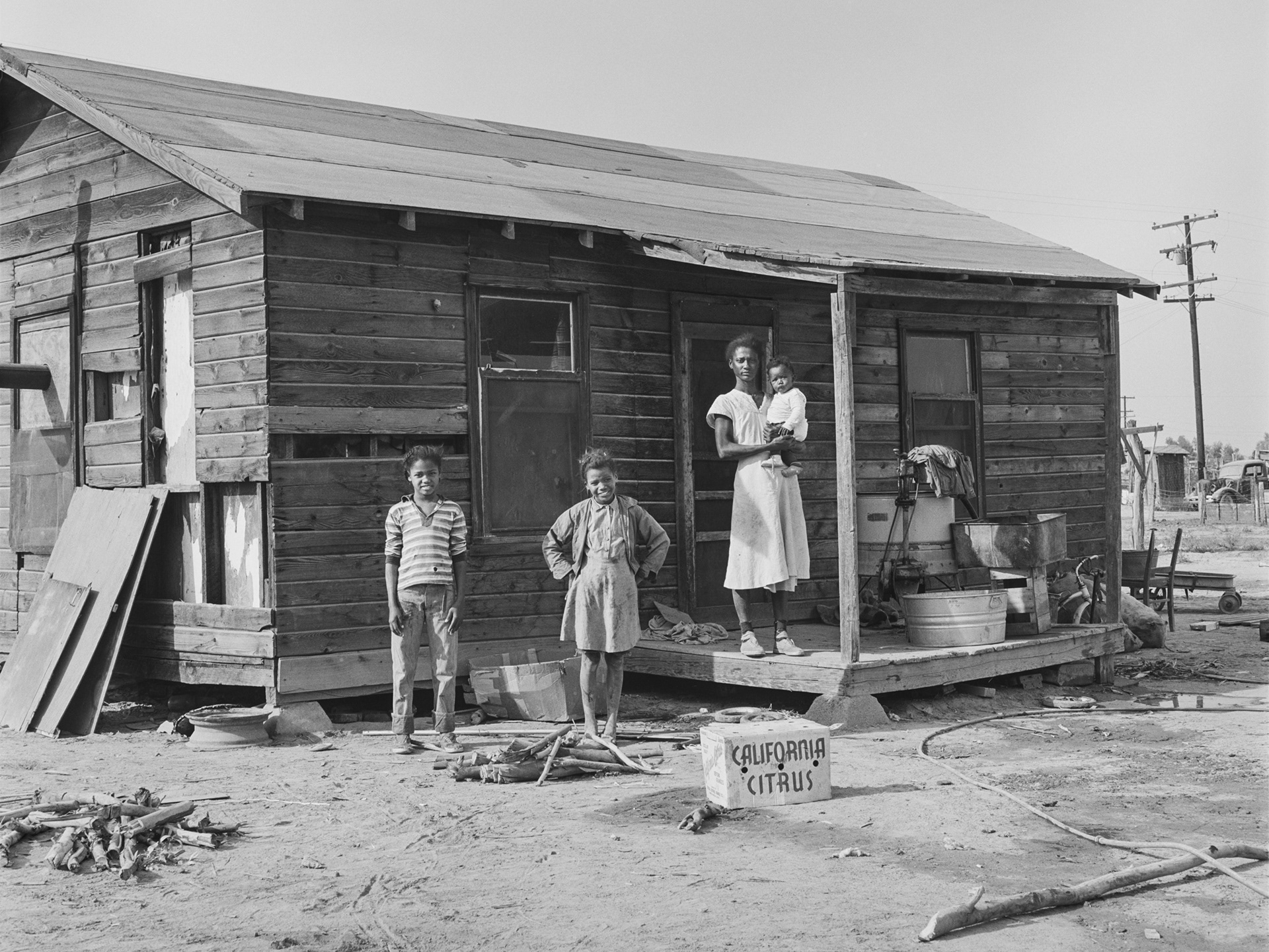
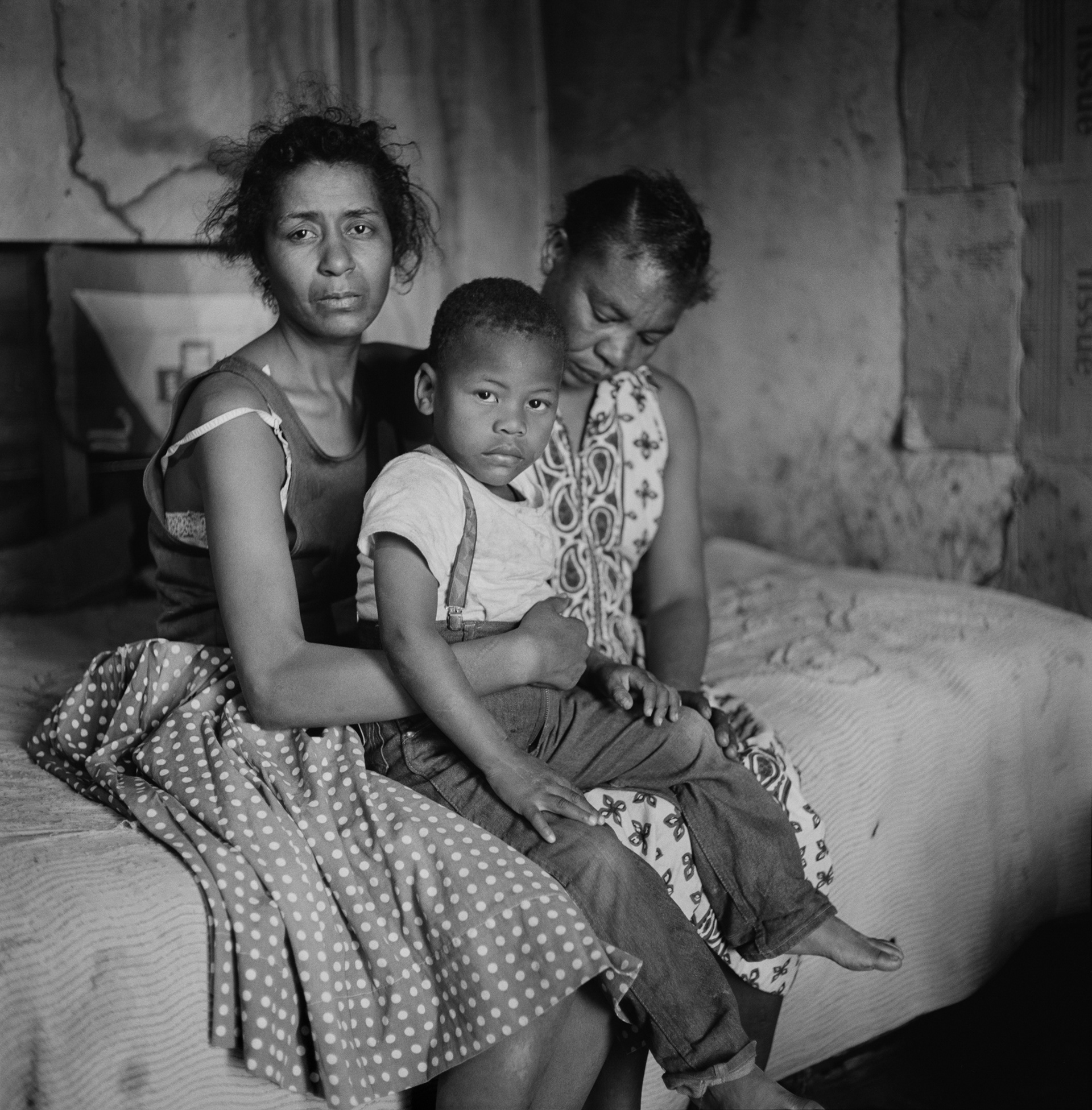
During the 1940s and 50s, between 30,000 and 40,000 black sharecroppers left the deep south and migrated to the rural Central Valley of California. While the saga of the white Dust Bowl Okies has been chronicled by everyone from John Steinbeck to Dorothea Lange, the story of the Black Migrants has gone largely untold— until now.
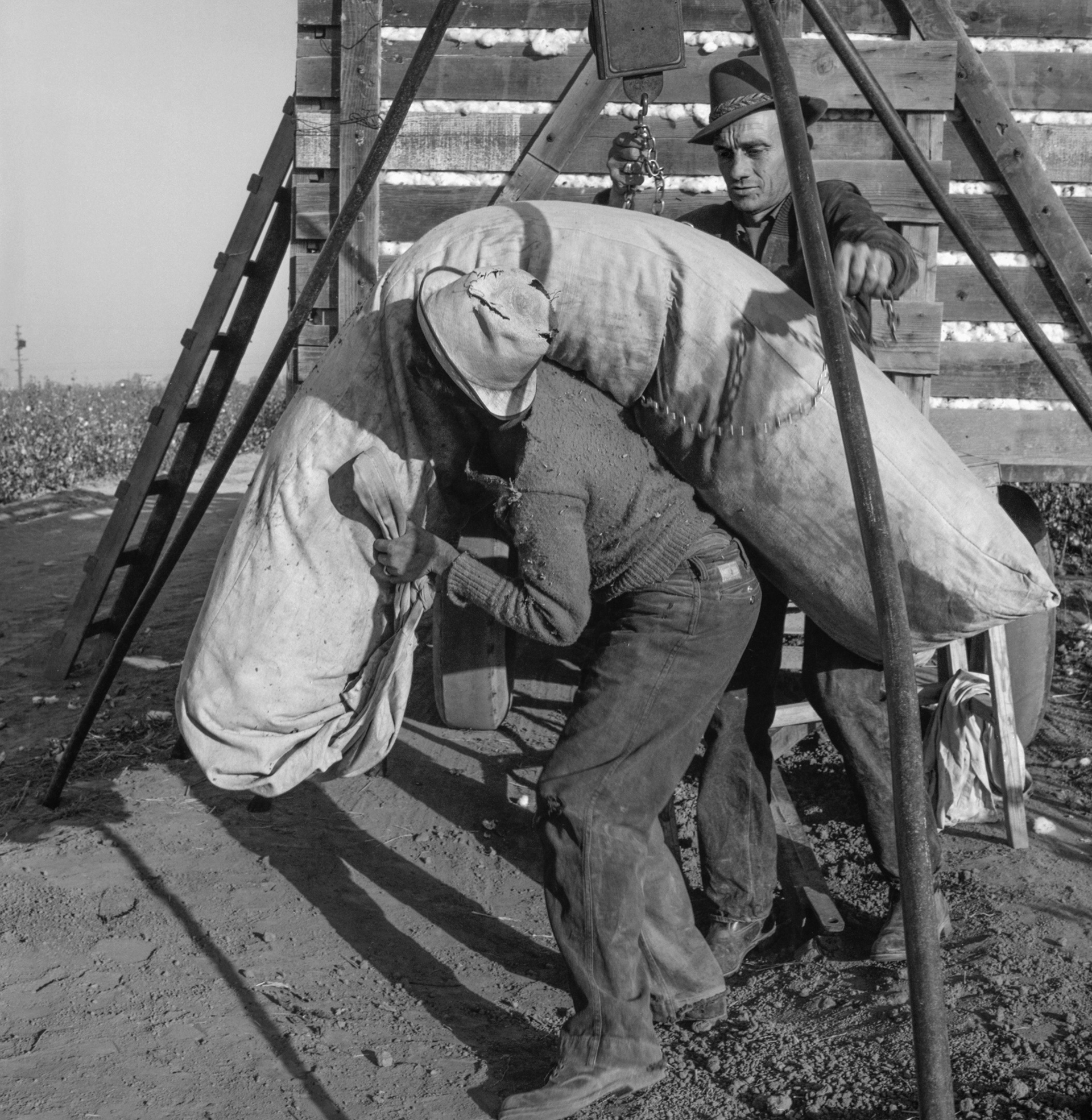
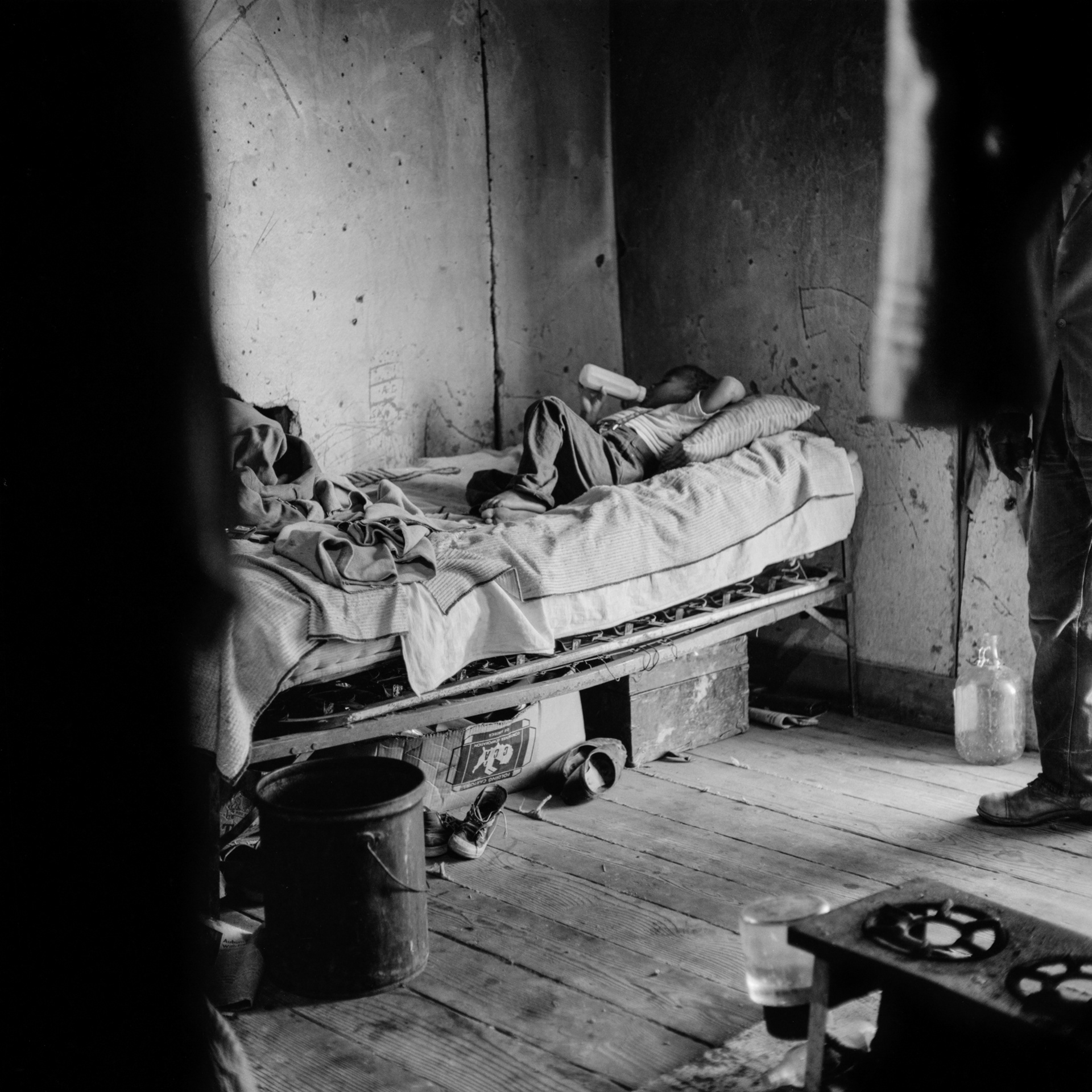
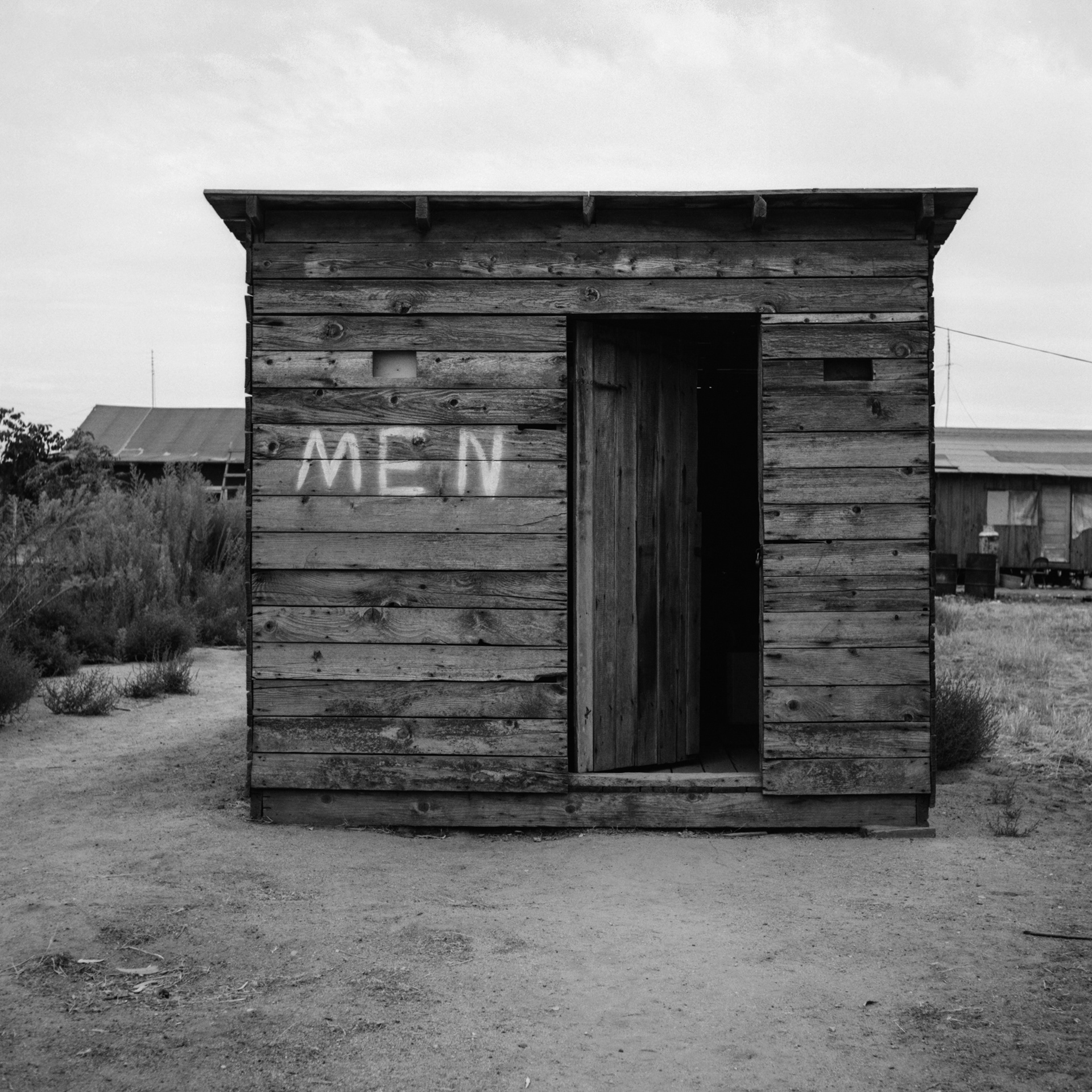
Arriving in California a decade after the Dust Bowl, many black migrants were put out of work by mechanized farming almost as soon as they arrived. Stranded in squalid labor camps, they struggled for decades to bring water and other basic services to their unincorporated communities. Meanwhile, they lived in the shadow of the largest cotton plantation in history—the one created by J.G. Boswell after he lobbied the federal government to drain Tulare Lake and dam four rivers that fed it.
In 2014, authors Mark Arax and Joel Pickford contacted then 80-year-old photographer Ernest Lowe, whose 1960s images documented black migrant communities in the Central Valley. A group of scholars and journalists traveled with Lowe to some of the towns where he had photographed in the 1960s. There they met and interviewed some of the children in his pictures, who by then were in their sixties.
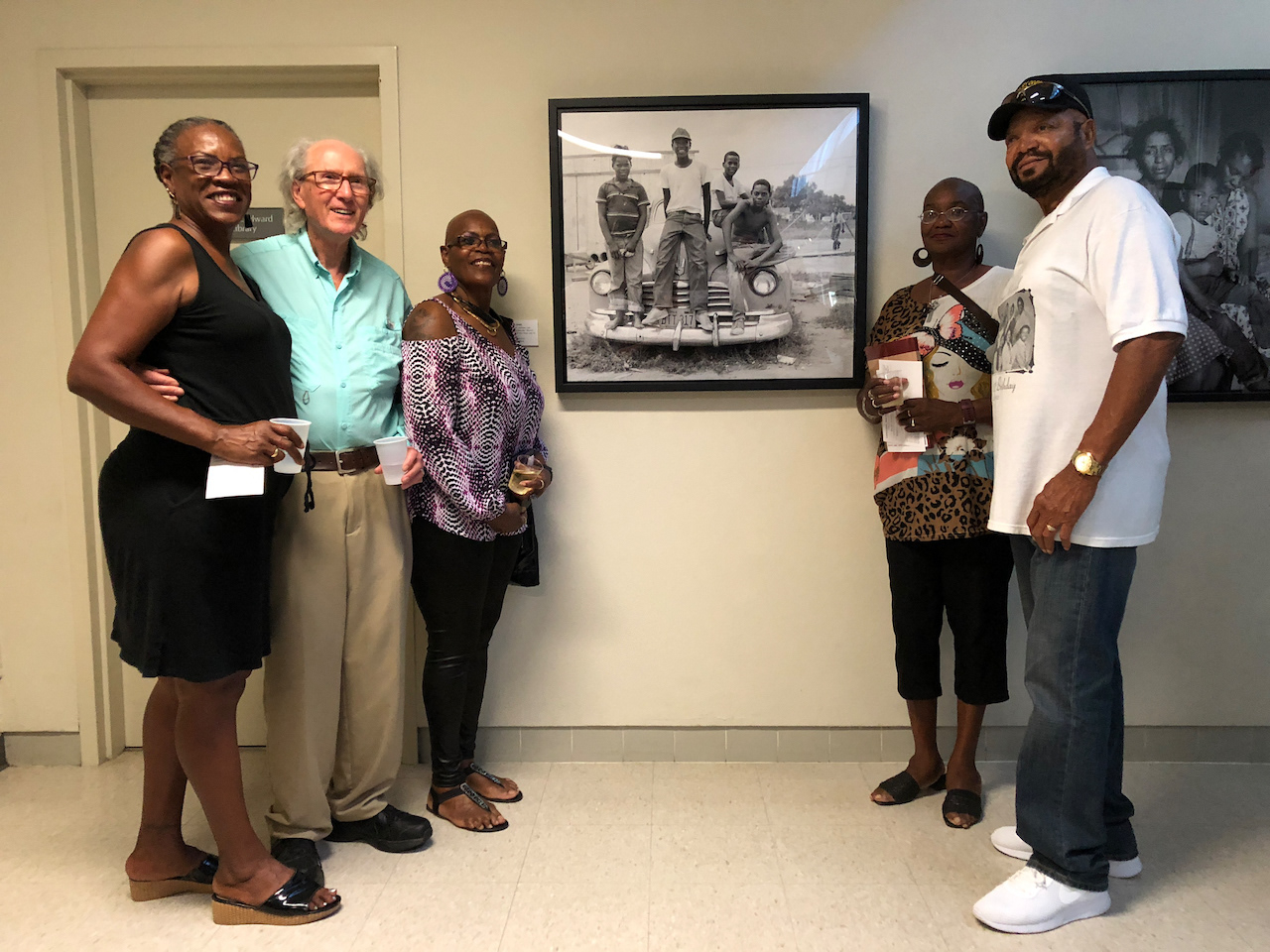
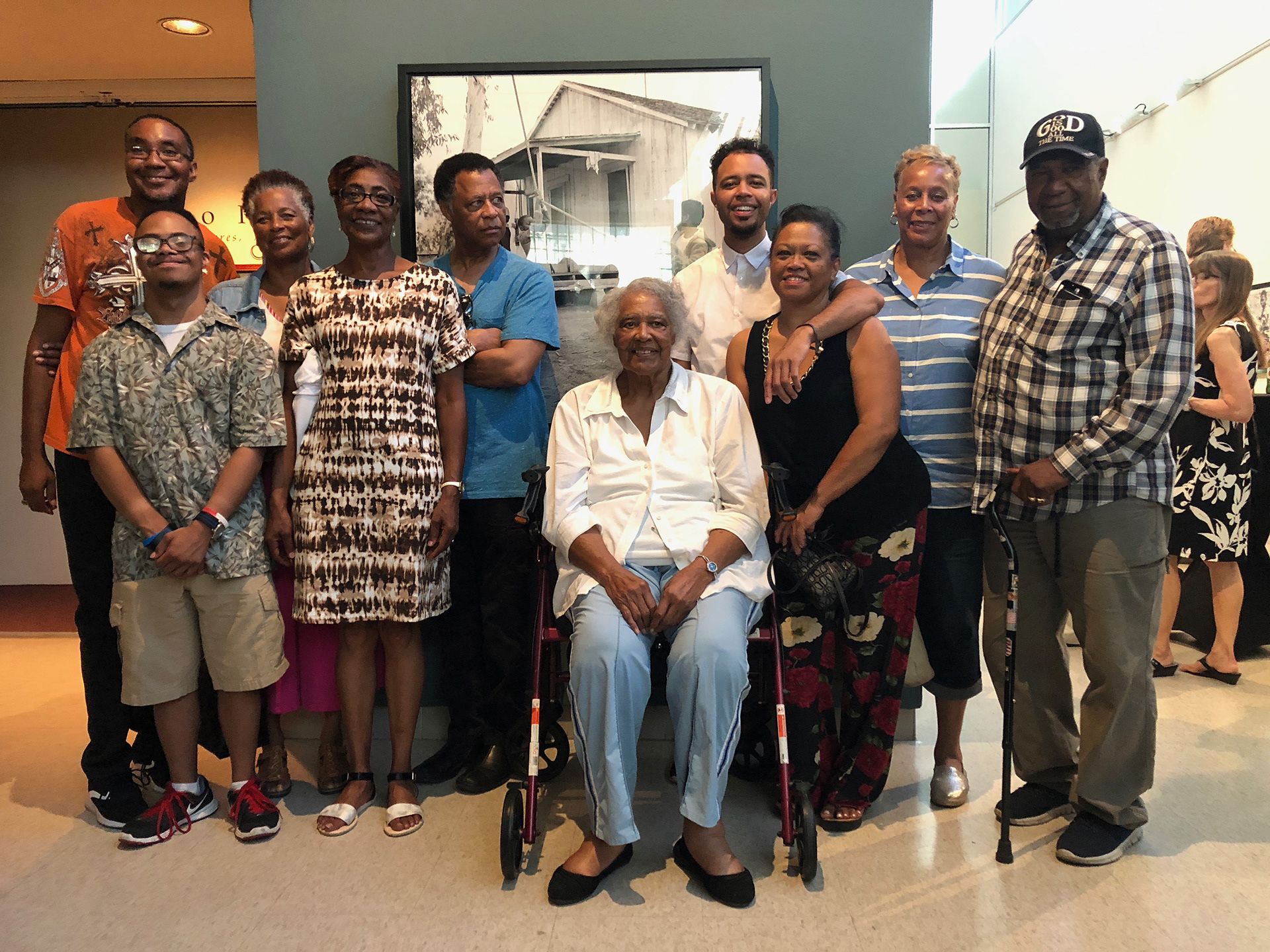
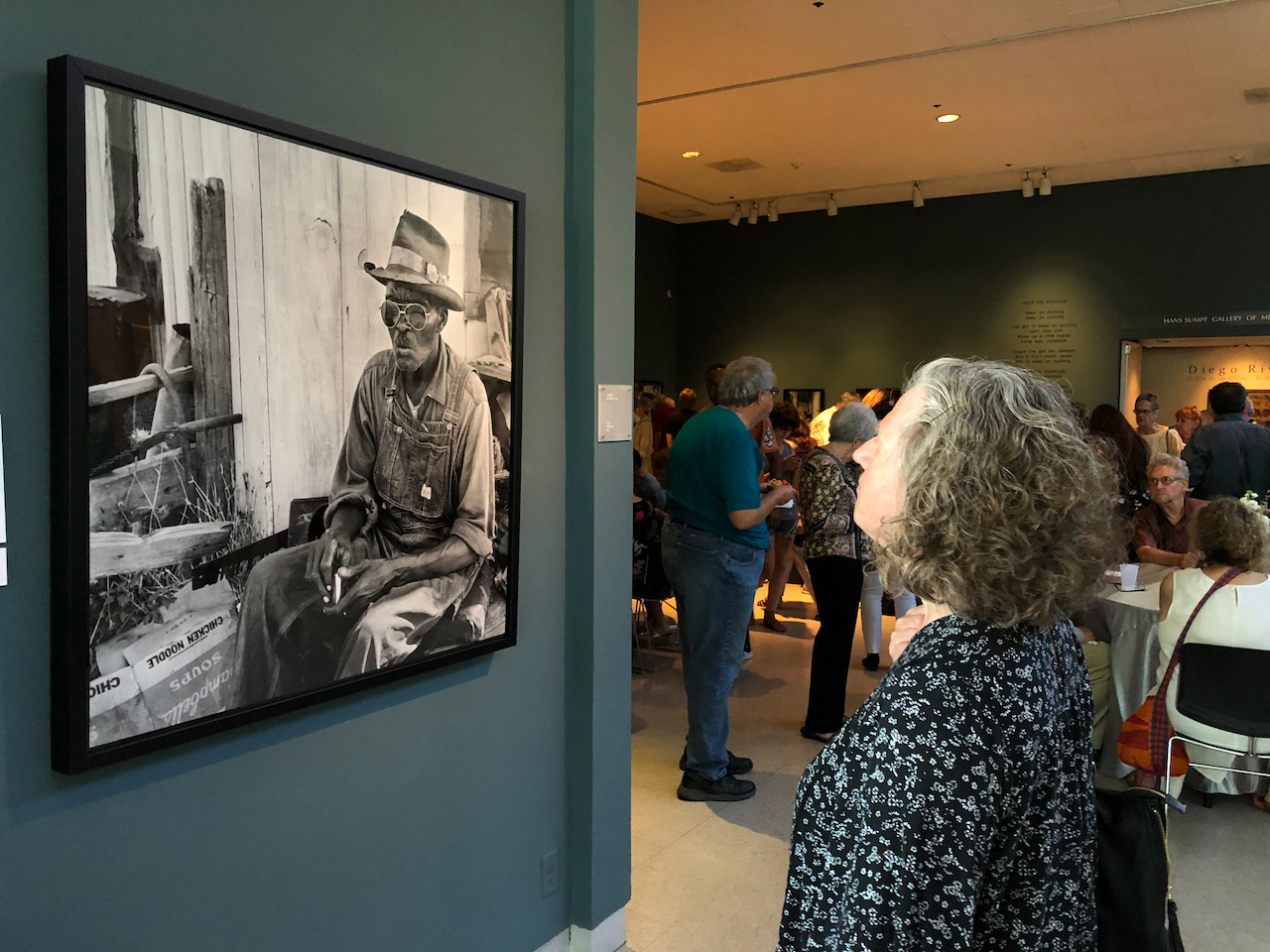
CDA curated a 2018 art museum exhibition of Lowe’s 1960s photographs, and produced dramatic, large scale prints from his original film negatives. Many of the people in Lowe’s 1960s photographs attended the opening reception. Contemporary audiences are often shocked to see the kind of rural poverty that had existed in the shadow of California’s prosperous 1960s.
Click here to support CDA projects like California's Black Migrants